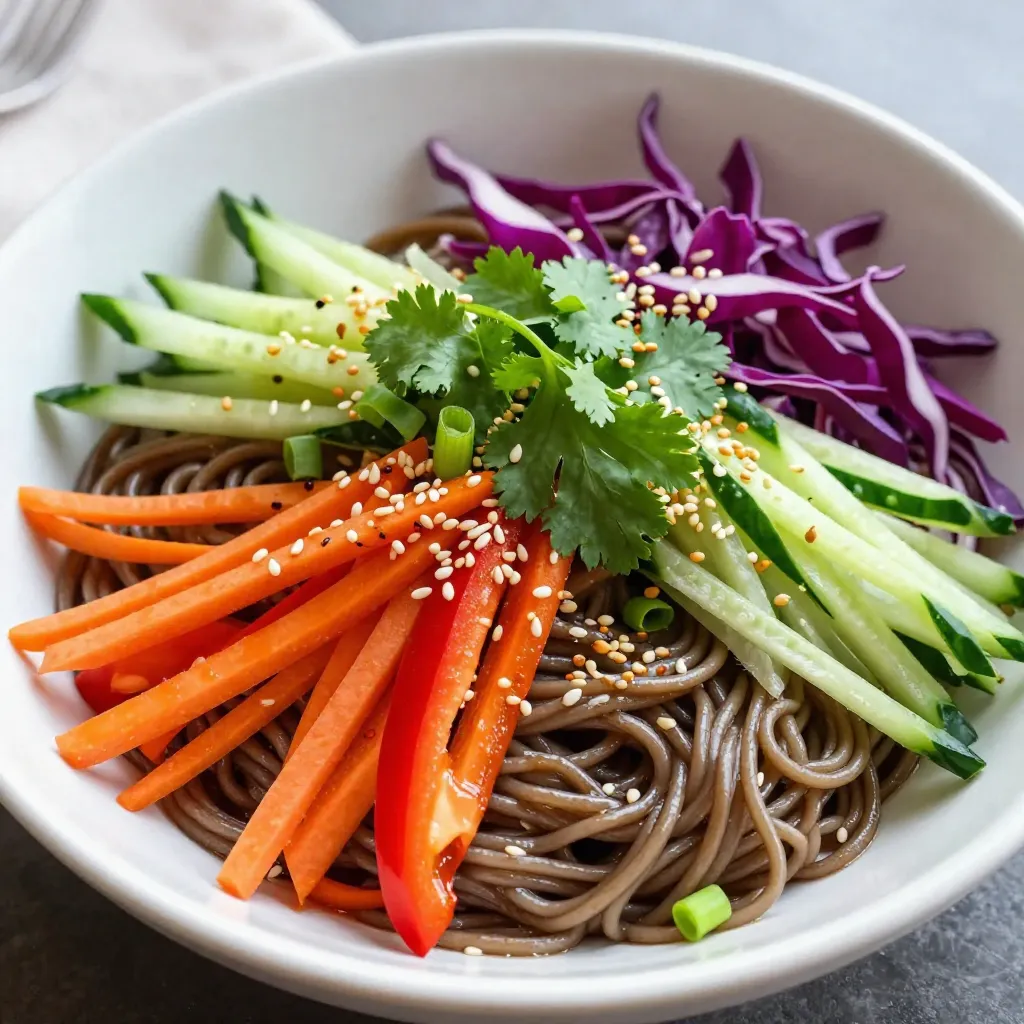
Looking for a fresh and healthy meal that’s quick to make? This Sesame Ginger Noodle Salad is your answer! Packed with vibrant flavors and crisp veggies, it’s perfect for lunch or dinner. In this guide, I’ll walk you through simple steps to create this delightful dish. You’ll also find tips for swaps and storage. Let’s dive in and make your taste buds dance!
Why I Love This Recipe
- Fresh and Vibrant: This salad is packed with colorful vegetables that not only look amazing but also provide a burst of fresh flavors in every bite.
- Healthy and Nutritious: With ingredients like soba noodles, carrots, and cucumbers, this dish is a wholesome choice that offers great nutrition without compromising on taste.
- Quick and Easy: Perfect for a busy weeknight, this recipe comes together in just 30 minutes, making it a go-to for meal prep or a quick dinner.
- Customizable: You can easily modify this salad by adding your favorite proteins like chicken, tofu, or shrimp, making it versatile for any dietary preference.
Ingredients
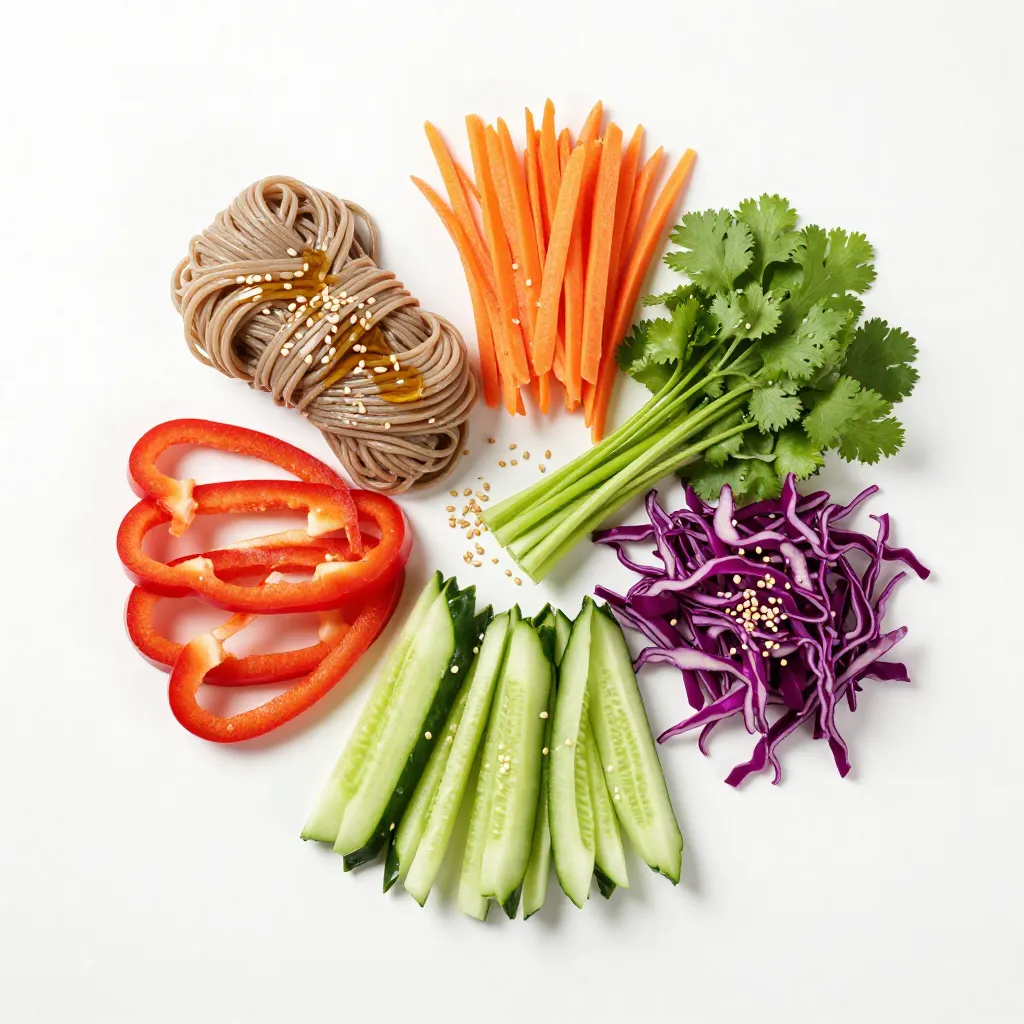
Main Ingredients List
– 8 ounces soba noodles (or whole wheat spaghetti)
– 1 tablespoon sesame oil
– 1 cup shredded carrots
– 1 red bell pepper, thinly sliced
– 1 cucumber, julienned
– 3 green onions, chopped
– 1/4 cup fresh cilantro, chopped
– 1/2 cup red cabbage, finely shredded
– 1/4 cup roasted sesame seeds
Dressing Ingredients
– 3 tablespoons soy sauce (or tamari for a gluten-free option)
– 2 tablespoons rice vinegar
– 1 tablespoon fresh ginger, grated
– 1 tablespoon honey (or maple syrup for a vegan alternative)
– 1 tablespoon fresh lime juice
– 1 clove garlic, minced
– Salt and freshly ground black pepper to taste
Dietary Substitutions and Alternatives
You can swap soba noodles with whole wheat spaghetti if needed. For gluten-free, use tamari. Sweeteners can change to maple syrup for vegan needs. You can skip honey for a sugar-free option. If you want more crunch, add nuts or seeds. You may also add protein like chicken or tofu for extra filling.
Step-by-Step Instructions
Cooking the Noodles
To start, cook the soba noodles. Follow the package directions until they are al dente. This usually takes about 5 to 7 minutes. Once cooked, drain the noodles, then rinse them under cold water. This stops the cooking and cools them down. Set the noodles aside to cool completely.
Combining with Sesame Oil
Next, take a large mixing bowl. Add the cooled noodles and one tablespoon of sesame oil. Toss the noodles gently so they are all coated. The sesame oil gives the noodles a nice shine and flavor.
Adding Fresh Vegetables
Now it’s time to add color and crunch! To the bowl, toss in the shredded carrots, sliced red bell pepper, julienned cucumber, chopped green onions, fresh cilantro, and red cabbage. Mix everything well. This adds freshness and texture to your salad.
Preparing the Dressing
In another bowl, whisk together the dressing. Combine three tablespoons of soy sauce, two tablespoons of rice vinegar, one tablespoon of grated ginger, one tablespoon of honey, and one tablespoon of lime juice. Add one minced garlic clove too. Taste the dressing. Adjust it with salt and black pepper according to your liking.
Dressing the Salad
Once your dressing is ready, pour it over the noodle and vegetable mix. Toss everything together thoroughly. Make sure every noodle and piece of vegetable is coated with the flavorful dressing.
Final Touches
Let the salad rest for 10 to 15 minutes. This waiting time helps the flavors blend together nicely. Just before serving, sprinkle roasted sesame seeds on top. Toss the salad one last time to mix in the seeds. This adds a delightful crunch!
Tips & Tricks
Flavor Enhancements
To boost the taste of your sesame ginger noodle salad, try adding lime zest. This brightens the dish and adds freshness. You can also mix in some crushed red pepper for a bit of heat. If you want more depth, include a splash of toasted sesame oil. This adds a rich, nutty flavor that pairs well with the other ingredients.
Texture Tips
For great texture, use fresh, crunchy veggies. Slice the bell pepper thinly and julienne the cucumber. This allows each bite to have a satisfying crunch. Consider adding snap peas or radishes for extra crunch and color. Be sure to let the salad rest before serving. This helps the noodles absorb the dressing and softens the veggies slightly while keeping them crisp.
Serving Suggestions
Serve your salad in large bowls or on a beautiful platter. This makes it look inviting and fun. To make it more filling, add some protein like grilled chicken or tofu. For a colorful touch, garnish with extra cilantro and sesame seeds. You can also offer lime wedges on the side for those who want an extra burst of flavor.
Pro Tips
- Cook Noodles to Perfection: Be careful not to overcook the soba noodles; they should be al dente for the best texture in the salad.
- Use Fresh Ingredients: Fresh vegetables enhance the flavor and crunch of the salad, so pick the freshest produce available at your market.
- Adjusting Flavor: Feel free to tweak the dressing ingredients to suit your taste; adding more lime juice can brighten the flavors, while extra honey can sweeten it up.
- Meal Prep Friendly: This salad can be made ahead of time. Just keep the dressing separate until you’re ready to serve to maintain the freshness of the vegetables.
Variations
Protein Additions
You can add protein to your sesame ginger noodle salad for more flavor and nutrition. Here are great options:
– Grilled chicken
– Shrimp
– Tofu
– Edamame
Grilled chicken gives a smoky flavor. Shrimp adds a sweet touch. Tofu is a great plant-based choice. Edamame offers a nice crunch and protein boost. Simply cook your chosen protein and toss it into the salad before serving.
Gluten-Free Options
If you need a gluten-free meal, swap regular noodles for gluten-free options. Soba noodles are great, but be sure to check the label. You can also use rice noodles or quinoa. Both work well and keep the salad light and fresh. For the dressing, use tamari instead of soy sauce to keep it gluten-free.
Seasonal Ingredients
Make this salad your own by using seasonal veggies. In spring, try snap peas or radishes. Summer is perfect for cherry tomatoes or bell peppers. Fall brings butternut squash or kale, while winter veggies like Brussels sprouts add a nice bite. Use what’s fresh to keep your salad exciting and full of flavor.
Storage Info
Short-term Storage Tips
Store your sesame ginger noodle salad in an airtight container. Keep it in the fridge. It stays fresh for up to three days. If you use fresh veggies, their crunch will soften over time. To keep things crisp, add veggies just before serving.
Freezing Instructions
Freezing this salad is not the best option. Noodles and veggies lose their texture. If you must freeze it, separate the dressing. Freeze the noodles and veggies in a bag. Use within one month for the best taste.
Reheating Guidelines
Reheat only the noodles if needed. The salad is best served cold. If you want to warm it, use a pan on low heat. Add a splash of water to steam the noodles. Avoid overheating, as it can make them mushy. Enjoy your salad fresh for the best flavor!
FAQs
How to make the salad more filling?
You can easily make the salad more filling by adding protein. Try grilled chicken, shrimp, or tofu. Beans like edamame or chickpeas are also great options. Adding nuts or seeds can give more crunch and healthy fats. If you want even more fiber, mix in some quinoa or brown rice. These additions will make your salad not just tasty but also hearty.
Can I use a different type of noodle?
Yes, you can use different types of noodles! While soba noodles are great, whole wheat spaghetti works well too. You can also try rice noodles or even zucchini noodles for a low-carb option. Each type brings its own flavor and texture. Just remember to cook them as the package suggests for the best results.
What are some good side dishes to serve with sesame ginger noodle salad?
This salad pairs well with many side dishes. Try serving it with spring rolls for a fun twist. Grilled veggies add a nice touch too. You can also serve it with a light soup, like miso or vegetable broth. A fresh fruit salad can balance the meal and add refreshing sweetness.
How long can I store the salad in the refrigerator?
You can store the salad in the fridge for up to three days. Keep it in an airtight container to keep it fresh. If you add dressing, it’s best to eat it within two days. If possible, store the dressing separately until you’re ready to eat. This way, the veggies stay crisp and tasty!
In this blog post, we explored how to create a delicious sesame ginger noodle salad. We covered key ingredients and helpful tips for cooking each part. You learned about dietary swaps and how to enhance flavors. We shared variations to suit your tastes and storage methods for later.
Enjoy trying new ingredients in your salad. Remember, cooking is about fun and creativity! Keep experimenting to make the best dish for yo